Beyond the Calendar: When Is the Ideal Time to Give a Memory-Based Gift?
We’ve all been there. Staring at a blank calendar, feeling the familiar pressure of "gift season." Your mind cycles through grand, traditional dates—Father's Day, Christmas, anniversaries—and you know that while these markers are important, they feel restrictive. It feels like gift-giving is an appointment we must keep, rather than a natural overflow of affection.
If you’ve ever wondered if there’s a perfect moment to give a thoughtful, memory-focused gift, I have good news: there isn't one. The idea that certain days are magically designated for deep sentiment is partly a myth we tell ourselves to simplify the act. A truly impactful, memory-based gift doesn't arrive because of an algorithm or a calendar reminder; it arrives when connection demands it.
But understanding when means understanding what emotional space you’re trying to fill. Let’s move past the dates and look at the moments that actually deserve attention.

When Connection Demands It: The Art of the 'In-Between' Gift
The most powerful gifts are often those given in the quiet spaces—the "in-between" times. These are the days when life is routine, maybe a little stressful, but also deeply comfortable. This is where you move beyond obligation and into pure observation.
Think about it: What does your loved one need right now? Is he exhausted from work? Has he just completed a massive project? Did he laugh so hard at something silly last week that the memory still makes him smile?
The ideal time to give a memory gift is when you notice a specific, small emotional cue. It’s recognizing a mini-milestone. These gifts aren't meant to mark an occasion; they are designed to acknowledge him. They whisper, "I see you, and I appreciate your effort today."
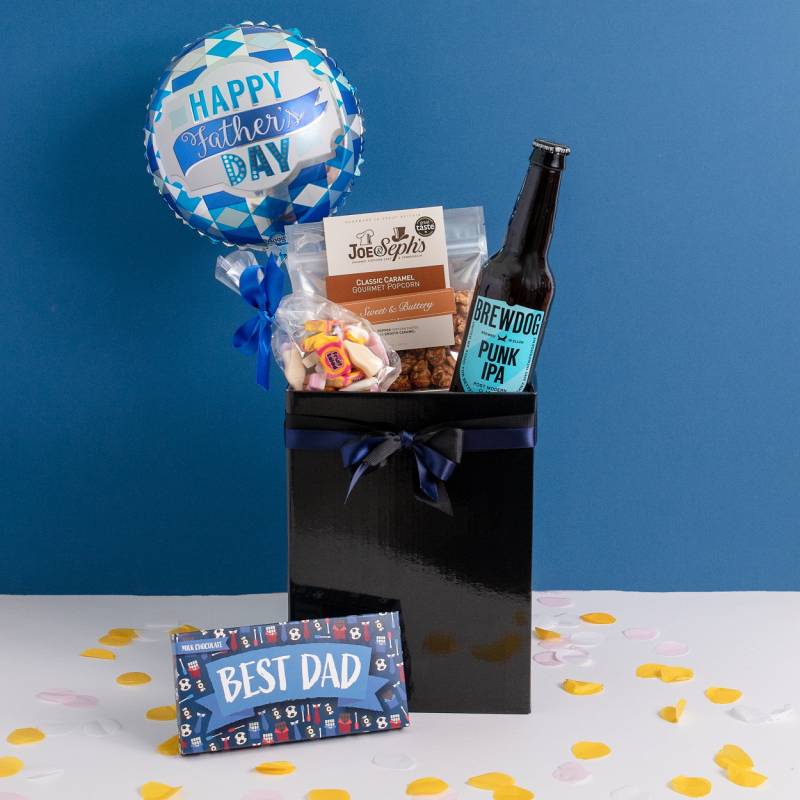
For example, if he just finished reorganizing the garage—a huge energy drain—the gift isn't for a "Father’s Day" type of event. It’s for “The Man Who Conquered the Garage.” You could pair it with a specialized tool kit or even a curated hamper of high-end snacks and craft beer, framed as, “For conquering the chaos.”
The Gift That Facilitates Memory: Building Experiences Over Objects
When we talk about "memory-based" gifts, we are usually trying to give something that creates memories. This is where the concept shifts from buying a physical item to curating an experience—a box of potential moments.
If you’re feeling stuck between what feels too big (anniversaries) and what feels too small (just because), think about The Bridge Gift. A Bridge Gift isn't the final memory; it's the specialized toolkit that helps him build one himself, or with you.
These gifts are perfect for time-constrained planners because they require planning effort, but minimal execution stress. Instead of buying a single gift card to "do something," you buy the components:
- The Ingredient: A specialty food item (e.g., gourmet smoked spices).
- The Activity: The recipe or instructions printed beautifully.
- The Setting: A curated hamper element like matching linen napkins and unique glasses.
This structure turns a simple hampering of goods into an invitation to an experience. It says, "Let's slow down and enjoy this together."
Milestones vs. Resonance: Defining the Right Occasion
To help you map out your timing, let’s categorize the types of appreciation that call for these thoughtful gestures. Most gifts fall into one of three buckets:
1. The Commemorative Gift (Milestone): These are tied to concrete dates—anniversaries, birthdays, retirements. Here, the memory gift should reflect the duration or significance of the time passed. It’s a tribute to history.
2. The Recognition Gift (Achievement): This is for when he achieves something major—a promotion, finishing a marathon, finally fixing that leaky faucet after three weekends. This gift celebrates effort and dedication. It validates his hard work in a tangible way.
3. The Resonance Gift (Feeling): This is the hardest one to time because it has no date at all. A resonance gift is given when you are simply overwhelmed with gratitude for the person himself—for his patience, his sense of humor, or the stability he provides. These gifts feel less like an event and more like a warm exhale.
I once knew a man who always felt pressure to buy something "big" for his father on Father's Day. We were talking about it over coffee when I realized how much emotional weight he was putting on the date itself. He finally understood that the best gift wasn't the fancy tie or the expensive gadget; it was simply the hour we spent telling him, without prompting, all the specific things he did for us that year.
This leads to a powerful truth: sometimes, the most meaningful time to give a memory-based gift is when resonance hits—when you are genuinely moved by something about his character or contribution. Don't wait for an Website link anniversary; wait for the moment your appreciation feels too big for simple words.
The Lasting Act of Thoughtfulness
Ultimately, we often treat gift-giving like a performance dictated by others. We think we must hit the right emotional beat at the right time to be "good enough." But thoughtfulness isn't a timed performance; it’s an ongoing habit of observation. It is about developing a heightened sense—a sensory radar for small moments that deserve acknowledgment.
If you leave reading this and feeling overwhelmed Outdoor Adventurer by the sheer number of potential times, remember this: A gift does not need to be monumental to be meaningful. Sometimes, all it needs to do is pause the frantic rush of life and remind him how much he matters right now. The best time to give a memory-based gift isn't on a calendar—it’s in the rhythm of your own heart.